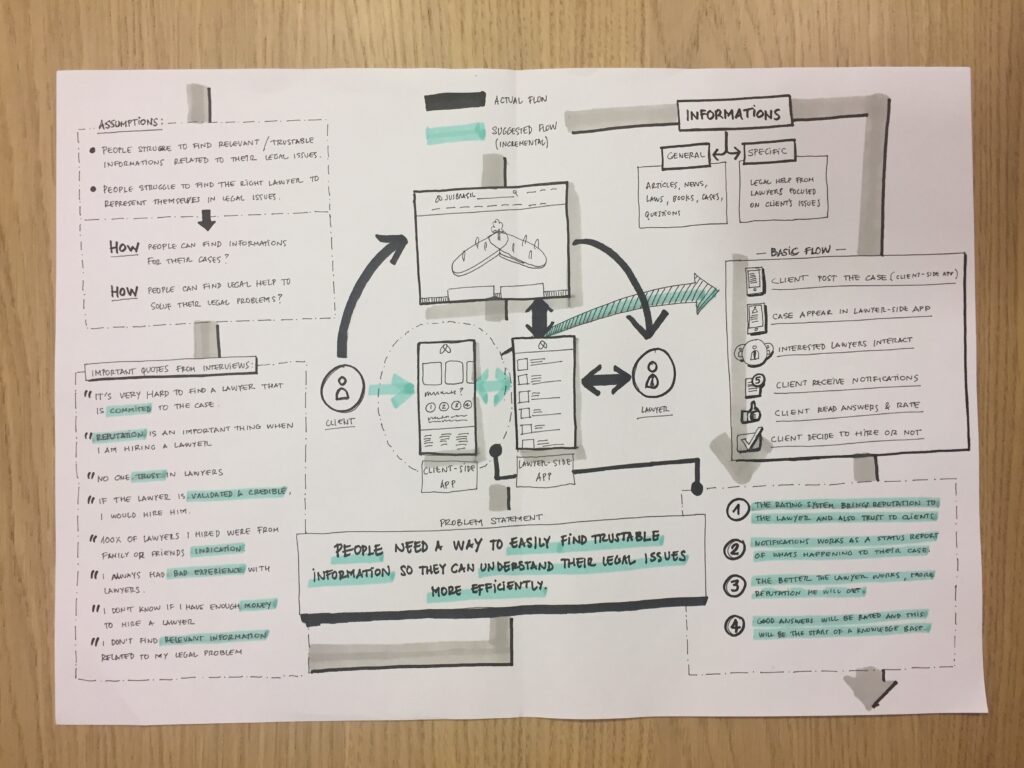
Embarking on the mapping stage of the Yamazaki Framework, you integrate a crucial approach that serves as both the compass and binoculars for your journey: Visual Thinking.
This method is not just about drawing or sketching; it’s about leveraging your innate ability to process information visually, untangle complex ideas, and chart a clear path through the intricate landscape of design challenges.
Visual Thinking allows you to externalize thoughts, making abstract concepts tangible and easier to understand and communicate. Here, we explore the myriad benefits of starting with a Visual Thinking approach in the mapping stage and how it resonates with the human affinity for beautiful sketches.
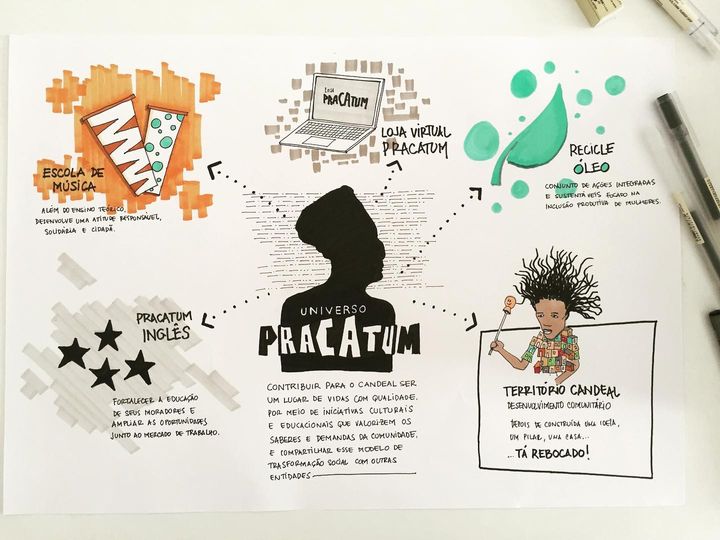
Clarity in Complexity
Visual Thinking transforms complex ideas into visual narratives that are easier for you to comprehend. By mapping out user journeys, empathy maps, or service blueprints visually, you can see the relationships between different components and identify potential gaps or opportunities. This clarity is akin to viewing a mountain from afar, understanding its trails and obstacles before beginning the ascent.
Enhanced Communication
A picture is worth a thousand words. Visual representations can bridge linguistic and technical gaps among team members and stakeholders. They serve as a universal language, ensuring that everyone is on the same page, which is crucial for aligning goals and strategies. Just as a beautifully sketched landscape can evoke shared emotions, visual artifacts in design foster a shared understanding.
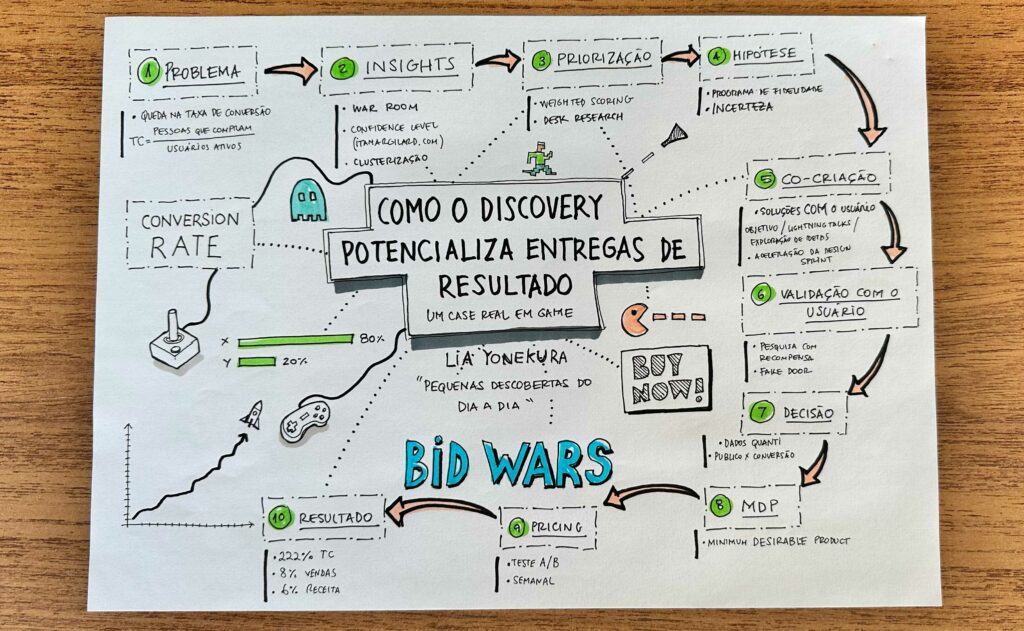
Facilitates Collaboration
Visual Thinking encourages participation. A whiteboard filled with diagrams and sketches becomes a collaborative canvas, inviting team members to contribute, iterate, and refine ideas.
This collective engagement is vital for fostering a sense of ownership and teamwork, much like climbers planning their route together, ensuring everyone’s expertise contributes to the journey.
Accelerates Decision-Making
With ideas and concepts laid out visually, decision-making becomes more straightforward for you. Teams can quickly identify the strongest routes, anticipate challenges, and allocate resources efficiently. This speed is crucial in the fast-paced world of design, where time saved is an opportunity gained.
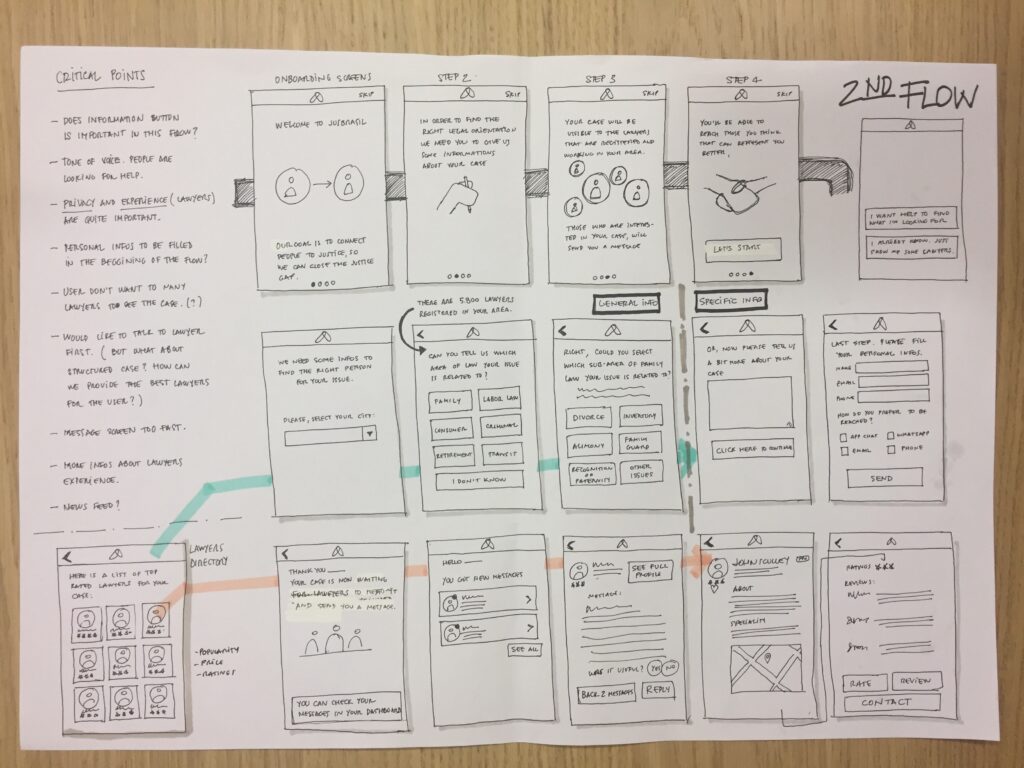
Stimulates Creativity
Visual Thinking opens the door to your creative exploration. By sketching out ideas, you can easily play with different scenarios, pushing the boundaries of what’s possible. This freedom to explore and iterate fosters innovation, leading to unique solutions that might not have been discovered through traditional thinking processes.
Emotional Engagement
Humans are visually oriented creatures, and beautiful sketches can captivate and inspire. They evoke emotions, making the problem-solving process more engaging and memorable for you. This emotional connection can be a powerful motivator, driving teams to pursue solutions with passion and determination.
Catalyst for User Engagement
Finally, when stakeholders or users are presented with visually appealing sketches, they’re more likely to engage and provide feedback. These visuals can help users better understand the proposed solutions, making them feel involved in the design process, which in turn can lead to more insightful feedback and a stronger alignment with user needs.
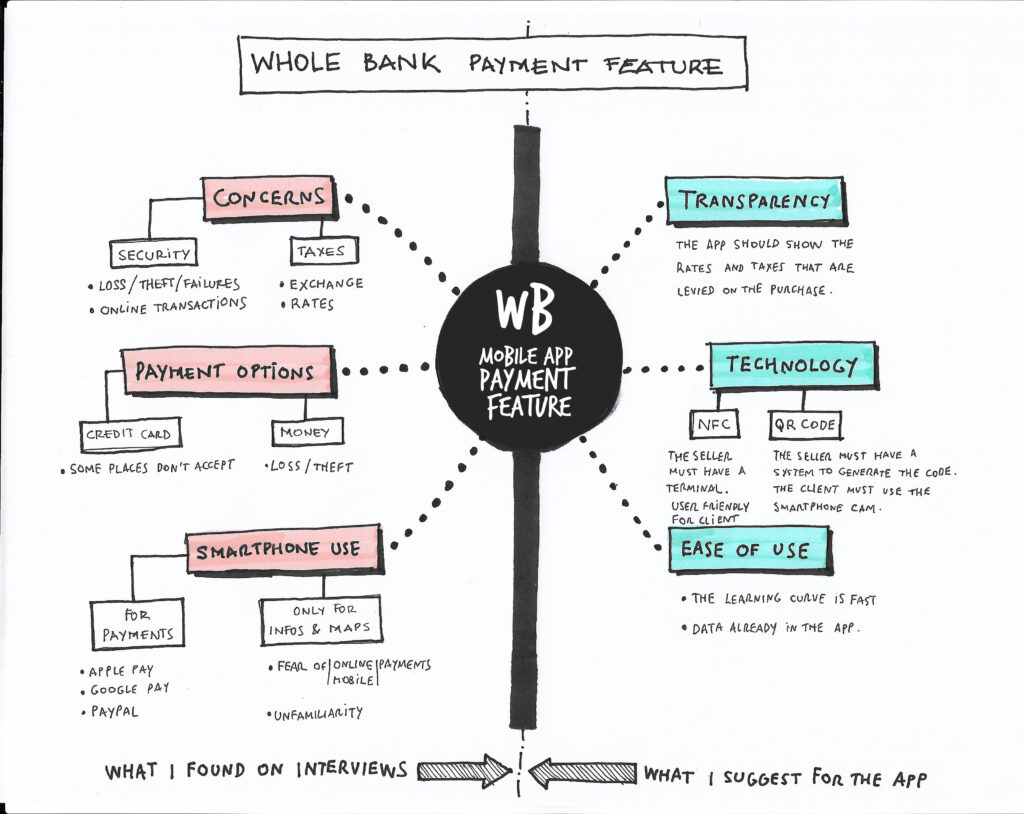
Starting with a Visual Thinking approach in the mapping stage is akin to equipping yourself with the best tools and perspectives before a climb.
It not only prepares you for the journey ahead but also ensures that the journey is collaborative, innovative, and aligned with your ultimate goal: to create solutions that resonate deeply with users, turning functional designs into experiences that delight and inspire.
Just as the sight of a beautifully sketched mountain stirs the desire to explore, visual thinking in design stirs your imagination, guiding you toward solutions that are not only effective but also meaningful.
So, do you also use Visual Thinking as a strategy to start thinking about the problem to be solved?
Tell me more if you will. I’d be glad to read how’s your approach.
PS. Tomorrow I’ll write about how I help people (and myself too) with my Mentorship Program. This has been a fantastic and rewarding journey and it helps me a lot to understand Designer’s pain points and needs in their careers.