In the realm of Design, every project is a mountain waiting to be conquered. But the path to the summit is never a straight line; it requires careful planning, the right tools, and a team that shares your vision.
This understanding led me to develop a framework that mirrors the meticulous preparation and indomitable spirit of mountain climbers.
Let me share with you the essence of this framework, a methodology that has not only revolutionized my approach to design challenges but can also transform yours.
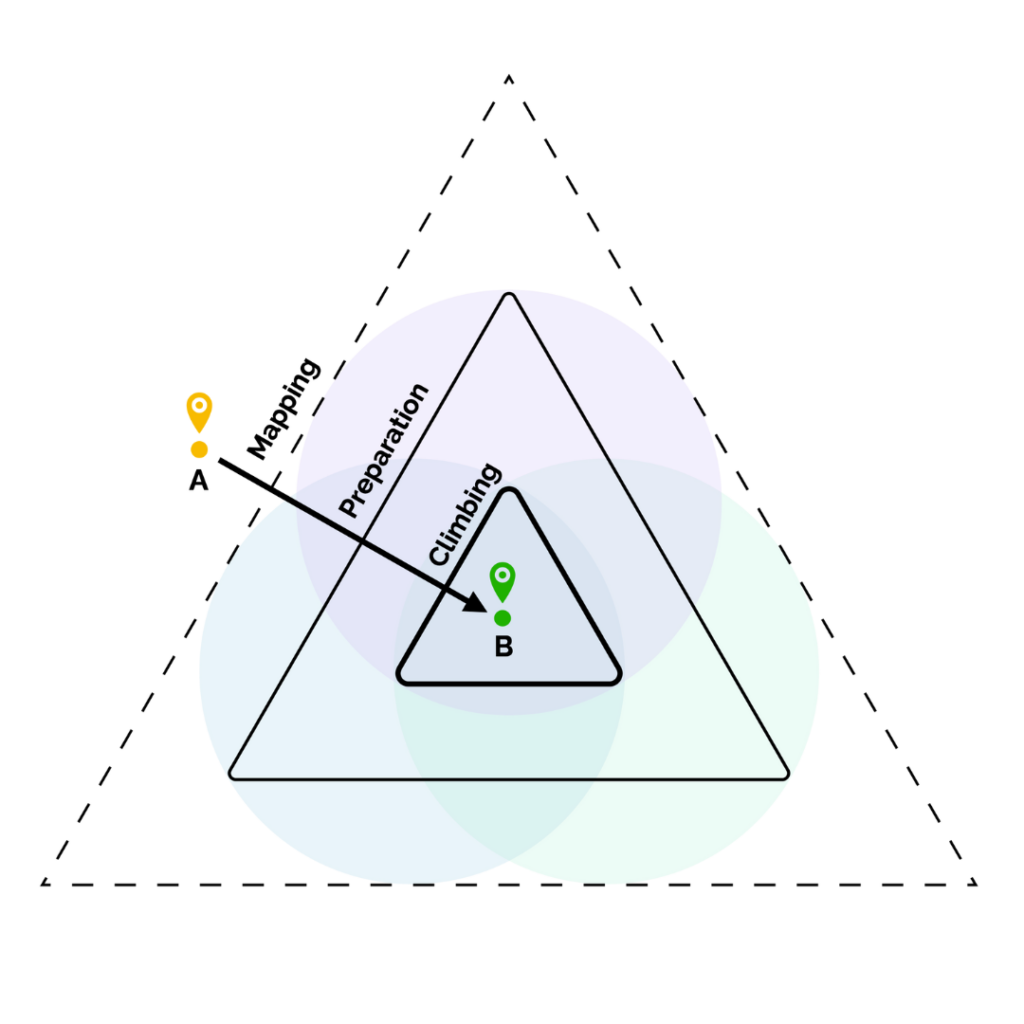
Just for the record: the purple circle means Strategy. The blue one is Interface. The green one is Communication. These are the intrinsic elements that we use most actively at each stage we go through.
Mapping the Terrain
Every mountain has its own topography – valleys, cliffs, and paths hidden beneath the snow.
Similarly, each design project begins with understanding the landscape: the market, the users, and the problem we aim to solve.
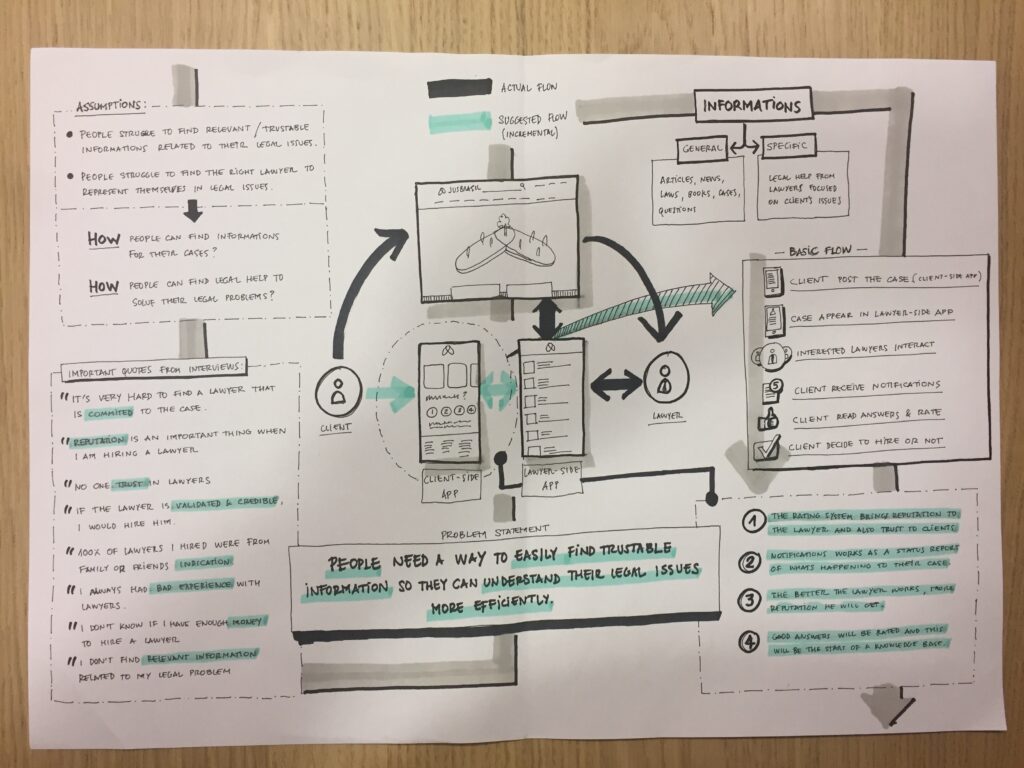
This phase is about creating detailed maps through user research, competitive analysis, and empathy maps – to name a few.
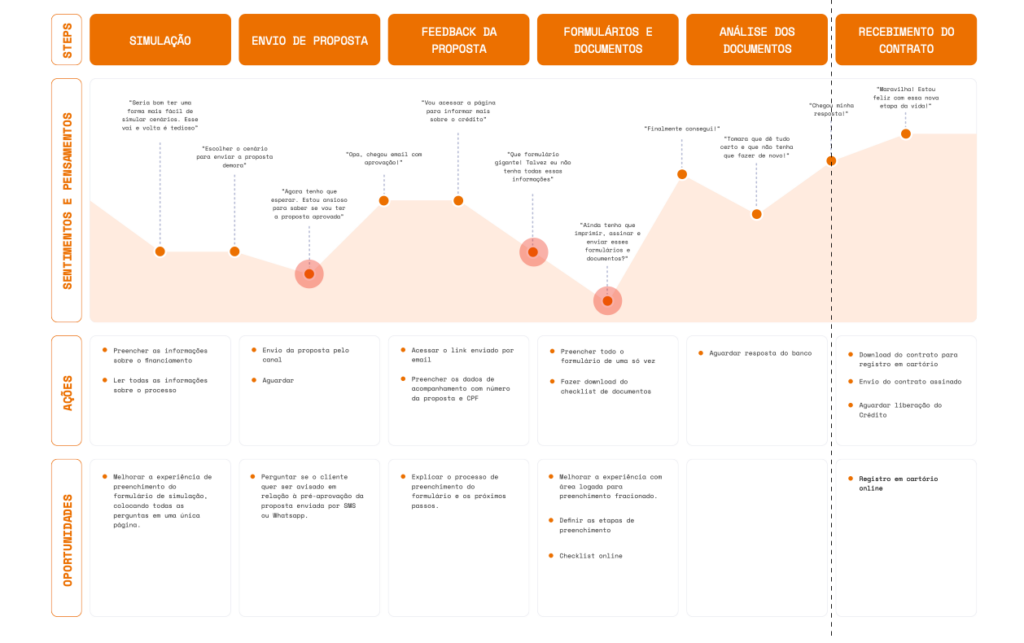
Just as climbers study their maps to plan their routes, we can use these insights to chart a course through the complexities of user needs and business objectives.
This meticulous mapping ensures we embark on our journey fully aware of the terrain ahead.
Preparing for the Ascent
No climber would face Everest without the right gear; why should design be any different? Preparation involves assembling the tools and strategies that will guide our climb.
This includes developing a clear UX strategy, planning for A/B testing, and creating high-fidelity prototypes. A data-driven mindset.
It’s also about gathering our team, and ensuring everyone is equipped with the knowledge and skills needed for the journey.
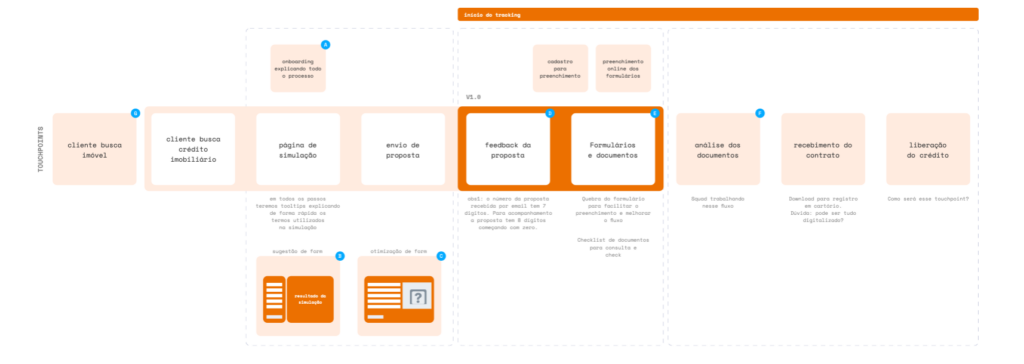
This phase is crucial – it’s where we pack our ‘food and water’, ensuring our sustenance through the climb. Our tools are our lifeline, and our team, our strength.
The Climb
With the map in hand and our gear secured, we begin our ascent. This is where theory meets practice.
Each step is guided by the strategic planning laid out in the preparation phase. We navigate through the design process, making adjustments as we encounter unexpected challenges, much like climbers adapt to changing weather conditions.
This phase is about execution – applying creative methodologies, conducting A/B tests, and refining our prototypes based on user feedback. It’s a test of endurance, creativity, and teamwork.
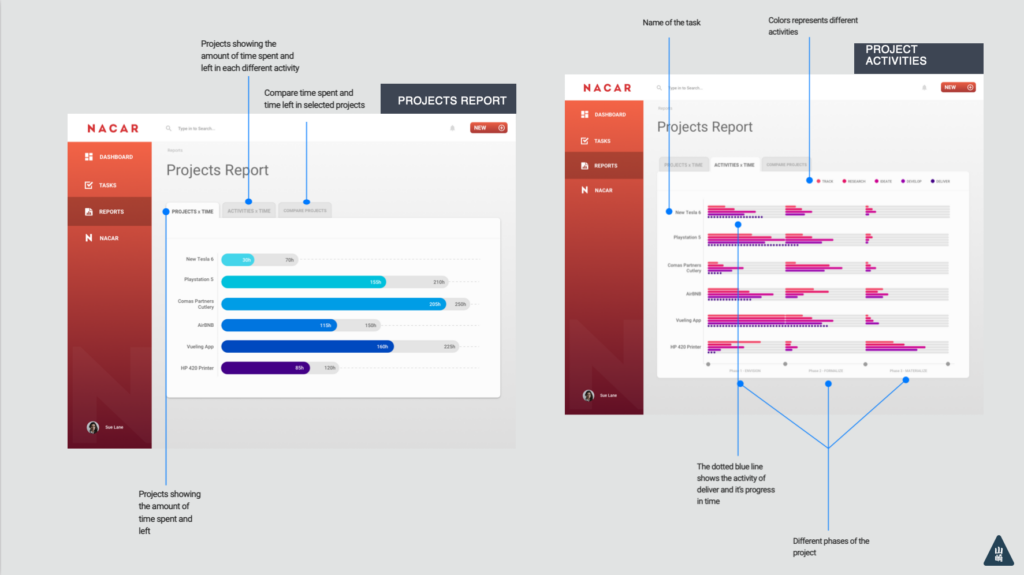
But what sets this framework apart is not just the successful summit; it’s the journey itself. It’s about generating smiles, turning dreams into reality, and sometimes, saving lives.
This framework, born from my experiences and passion for UX design, is not just for me or the teams that I lead.
It’s for anyone who faces a mountain of their own, whether it’s launching a new product, improving a service, or creating something entirely new.
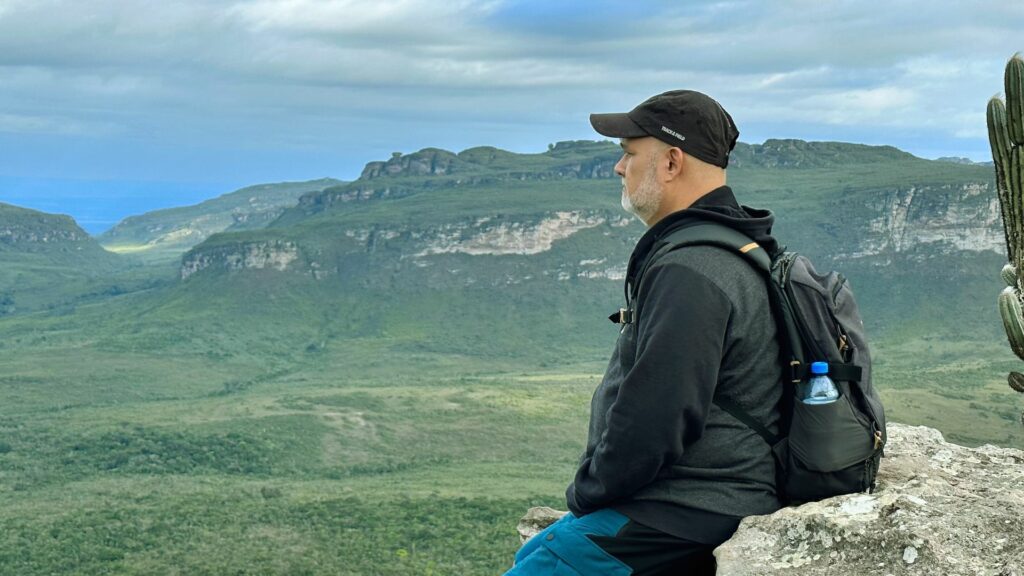
As you stand at the base of your mountain, remember that the climb may be tough, but the view from the top is worth it. (The image at the beginning of this post is about that).
With the right map, the best gear, and a team that shares your vision, there’s no peak too high. This framework is more than just a methodology or problem-solving approach; it’s a testament to what we can achieve when we move forward, always.
I invite you to take this framework, adapt it to your mountains, and see how far you can go.
Because in the end, it’s not just about reaching the summit; it’s about the lives we touch and the dreams we make reality on our way up.
Let’s climb together.
PS. For tomorrow I’ll bring some thoughts about my starting point when mapping.
Now, tell me one thing: did you find this brief description of the Framework interesting? Do you believe you can apply it in your daily life? Let me know: